Iran launched ballistic missiles at Israel on Tuesday, escalating tensions after weeks of relative calm. US Central Command intercepted multiple missiles during the strike, according to official statements. The attack marks a sharp reversal from a period of de-escalation that followed Israel's April operations against Iranian targets.
The timing intensifies regional instability as diplomatic efforts stall. Iran's Islamic Revolutionary Guard Corps claimed responsibility for the barrage, framing it as retaliation for previous Israeli military action. The strike represents Tehran's most significant direct action against Israel since April, when it fired roughly 300 drones and missiles in response to an Israeli airstrike on its consulate in Damascus.
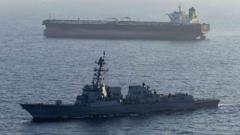
US military assets in the region moved to intercept the Iranian missiles, coordinating with Israeli air defenses. The operation underscores deepening American involvement in containing Iranian escalation, with additional US naval assets reportedly positioned across the Middle East. Israel's Iron Dome and David's Sling systems engaged projectiles, though assessments of damage remain incomplete.
The strike shatters a precarious lull that held since late spring. That period saw reduced rhetoric from both Tehran and Tel Aviv, with international mediators attempting to negotiate de-escalation. Those efforts now appear derailed. Regional analysts view the Iranian action as a test of American resolve and Israeli defense capabilities ahead of potential further confrontation.
The escalation complicates already fragile dynamics involving Hezbollah in Lebanon, Palestinian factions in Gaza, and proxy networks aligned with Iran throughout the Levant. US officials warned of potential Iranian retaliation weeks prior, positioning military resources accordingly. Israeli officials signaled readiness for response options, though immediate Israeli reaction remained measured as of Tuesday evening.
The pattern reflects deeper structural tensions unresolved since the collapse of the 2015 nuclear deal. With diplomatic channels strained, military calculations now dominate regional decision-making.