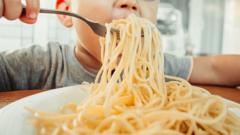
Italian children face a childhood obesity crisis that contradicts the nation's legendary Mediterranean diet reputation. According to the World Health Organization, Italian kids rank among Europe's heaviest, a stark departure from the diet celebrated worldwide for its health benefits.
The disconnect stems from a dramatic shift in eating habits over recent decades. While the traditional Mediterranean approach emphasizes olive oil, fresh vegetables, and lean proteins, modern Italian families increasingly rely on processed foods, sugary snacks, and larger portion sizes. Pizza and pasta, once balanced components of varied meals, now dominate diets in isolation. Carbohydrate-heavy meals without adequate vegetable intake have become the norm for many households.
Socioeconomic factors play a role. Wealthier families maintain closer ties to traditional cooking and fresh ingredients, while lower-income households gravitate toward cheaper, calorie-dense processed options. Urbanization and car culture have reduced physical activity, replacing outdoor play and walking with sedentary screen time.
The shift also reflects changing family routines. Working parents increasingly rely on quick, convenient meals rather than time-intensive home cooking that characterized previous generations. School cafeteria offerings and street food vendors often serve fried, high-calorie options. Marketing of sugary drinks and snacks targets Italian children aggressively.
Public health experts warn that without intervention, this generation faces elevated risks of type 2 diabetes, cardiovascular disease, and metabolic disorders. Some Italian regions have launched school-based nutrition programs and stricter cafeteria guidelines, though adoption remains inconsistent.
The irony is unmistakable. Italy possesses both the nutritional blueprint and cultural food knowledge to reverse this trend, yet convenience and modern lifestyle pressures have overwhelmed tradition. Breaking this pattern requires coordinated efforts across families, schools, and food industries to resurrect authentic Mediterranean eating practices.