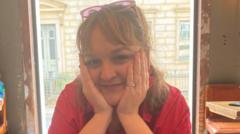
Actor Daneka Etchells has channeled her frustration with the medical system into performance art. For years, doctors dismissed her symptoms, leaving her permanently disabled before finally identifying her condition.
Etchells now performs in a show that directly confronts what she calls "medical gaslighting." The production explores the gap between patient experience and clinical dismissal, drawing from her own journey of being unheard within healthcare settings.
Her case mirrors a broader pattern in medicine. Patients with invisible illnesses or atypical presentations often face delays in diagnosis. Women in particular report higher rates of symptom dismissal. When conditions don't fit textbook presentations or standard screening protocols, physicians sometimes attribute complaints to anxiety, stress, or psychosomatic causes rather than investigating further.
The delay in Etchells's diagnosis cost her significantly. By the time medical professionals finally identified what was wrong, permanent damage had already occurred. That lost time cannot be recovered. It underscores a critical flaw in clinical practice: the failure to listen when patients describe their own experiences.
Medical gaslighting happens when healthcare providers invalidate or minimize patient concerns. It can take many forms. A doctor might tell a patient their symptoms are "all in your head," blame lifestyle choices without proper investigation, or refuse to order necessary tests. Each dismissal erodes patient trust and delays access to proper treatment.
Etchells's decision to make performance art from her experience serves a dual purpose. It processes her own trauma while raising awareness about systemic failures in patient care. The show gives voice to others who've experienced similar dismissal within medical institutions.
Her work highlights an uncomfortable truth: the healthcare system sometimes fails its most vulnerable patients, particularly those whose conditions resist easy categorization. Until medicine prioritizes patient testimony alongside clinical expertise, more people will face preventable delays in diagnosis and irreversible health consequences.