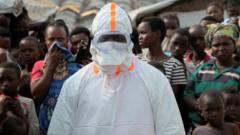
A UK humanitarian worker evacuated from the Democratic Republic of Congo sits under observation at a London hospital after potential exposure to Ebola. The worker, who contracted the virus while responding to an outbreak in the DRC, arrived in Britain for specialized treatment and monitoring.
The patient was transferred to a high-security isolation unit equipped to handle the most dangerous pathogens. Health authorities confirmed the worker showed symptoms consistent with Ebola infection following exposure in the field. The UK maintains dedicated facilities for treating rare and severe infectious diseases, staffed by specialists trained in managing viral hemorrhagic fevers.
Ebola outbreaks in the DRC have killed hundreds in recent years. Humanitarian workers face extreme risk during response operations, as the virus spreads through direct contact with blood and body fluids. The evacuation protocol reflects standard procedure for confirmed or suspected cases among international staff deployed to affected regions.
The UK Health Security Agency activated containment protocols upon the worker's arrival. Medical staff at the hospital implemented full biosafety measures to prevent transmission. The patient's condition and prognosis remain under close monitoring.
This case underscores the occupational hazards faced by aid workers operating in outbreak zones. Organizations deploying personnel to Ebola-affected areas conduct rigorous training on infection control and provide evacuation insurance. The DRC's healthcare infrastructure remains strained by recurring outbreaks, making international medical response critical to controlling spread and treating cases.
The UK's ability to receive and treat such cases demonstrates preparedness within Europe's healthcare systems. However, the underlying challenge persists in the DRC, where community transmission continues driving new infections among both healthcare workers and the general population.