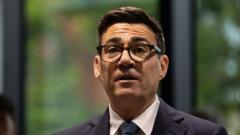
Labour Prime Minister Keir Starmer plans a major speech through Manchester Mayor Andy Burnham addressing three pillars of his early agenda: social care reform, youth unemployment, and devolution of power to regional leaders.
The move signals Starmer's intent to position himself as action-oriented in his opening weeks. A No 10 source framed the initiative as evidence the new government is "hitting the ground running" after Labour's July election victory.
Social care stands as one of Labour's thorniest inherited problems. The NHS and adult social care systems face sustained funding pressure, with waiting lists and care home capacity stretched thin. Starmer has promised reform without detailing a full funding model, making this speech a chance to sketch out early thinking on restructuring.
Youth unemployment reflects broader concerns about economic opportunity for younger voters, a demographic Labour mobilized during its campaign. This aligns with promises to address inequality and create pathways into work through vocational training and apprenticeships.
Devolution matters intensely to Burnham and northern leaders who have long pushed Westminster to redistribute power and resources. By centering devolution in this speech, Starmer courts support from regional mayors who control swing regions Labour needs to sustain.
Choosing Burnham as the platform for these announcements carries weight. The Manchester mayor represents the "northern powerhouse" concept and has emerged as a prominent voice for English regions seeking greater autonomy. He sits outside cabinet but holds significant sway over metro leaders across the north and midlands.
The timing matters too. Starmer faces pressure to deliver early wins before summer recess and before public opinion hardens around cost-of-living pressures that could define his tenure. This speech positions Labour as focused on tangible governance rather than celebratory rhetoric.