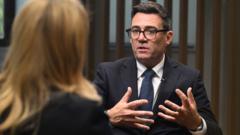
Andy Burnham rules out an early general election, the new prime minister told BBC political editor Laura Kuenssberg in an exclusive interview. Burnham rejected speculation about a snap poll by emphasizing that voters "voted for a manifesto" that his government intends to deliver on fully.
The Manchester mayor's comments come as Labour solidifies its grip on power following its recent general election victory. Burnham's pledge to honor the party's manifesto represents a clear signal that his administration plans to serve a full five-year term, dispelling recent Westminster chatter about a potential early ballot.
The timing of the remarks matters. New governments often face pressure to call early elections when polling favors them, a tactic previous administrations have used. Burnham's definitive stance closes that door. He frames the issue as one of democratic accountability, suggesting that voters elected Labour on specific promises and his government will execute those promises rather than chase electoral advantage.
The manifesto pledge carries political weight in UK politics. Labour campaigned on concrete commitments across healthcare, economic policy, and public services. By tying himself to that document, Burnham binds his government to measurable outcomes. Breaking that commitment through an early election would contradict his core argument about honoring the public's choice.
Burnham's words also reflect confidence in his political position. A prime minister secure in their mandate and polling strength doesn't need an early election. His refusal suggests Labour believes it can govern effectively and maintain support without a refresh at the ballot box. The interview underscores Labour's intention to focus on implementation rather than electoral strategy over the coming years.