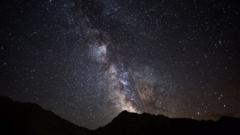
The Perseid meteor shower will peak in mid-August, delivering one of the year's most reliable celestial displays. The shower typically produces 50 to 100 meteors per hour at its apex, with the best viewing window falling between August 11 and 13.
Skygazers need minimal equipment to catch the show. No telescope required. Find a dark location away from city lights, allow your eyes 20 to 30 minutes to adjust to darkness, and look upward. The meteors will radiate from the Perseus constellation in the northeastern sky, though they'll scatter across the entire dome overhead.
The Perseids occur when Earth passes through debris left behind by Comet Swift-Tuttle. As dust and rock particles enter the atmosphere at roughly 133,000 miles per hour, friction creates the bright streaks we see. The shower has delighted observers for nearly 2,000 years, with records dating back to 36 AD.
Timing matters. Moonlight washes out fainter meteors, so check the lunar phase for your viewing date. Early morning hours, just before dawn, typically offer the darkest skies and highest meteor counts. Plan to spend at least an hour watching. Meteors arrive randomly, and patience rewards persistence.
Weather will play a factor across different regions. Clear skies are essential. Cloud cover blocks the display entirely. Check forecasts for your area in the days leading up to the peak.
The Perseids rank among the most active annual meteor showers, alongside the Quadrantids in January and the Geminids in December. Their reliability and frequency make them ideal for casual observers and seasoned astronomers alike.