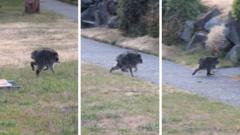
Seattle resident Kiana Hall posted a seemingly ordinary Instagram video that ignited a viral phenomenon. The clip featured Jimothy, a raccoon, and the footage struck a chord with internet audiences worldwide. Within days, the animal amassed a devoted following across social media platforms.
Jimothy's appeal stems from the raccoon's distinctive personality and Hall's compelling storytelling. The content taps into a proven formula: relatable, character-driven animal videos that humanize wildlife through repeated exposure and narrative development. This mirrors the viral success of other internet animals like Badger Badger, Numa Numa's dancing hamster, and more recently, creatures featured on TikTok and Instagram.
The raccoon's rise reflects broader streaming and social media trends. Animal content consistently dominates engagement metrics across platforms. Instagram Reels and TikTok prioritize short-form video, creating ideal distribution channels for wildlife clips. Raccoons especially captivate audiences, positioned at the intersection of cute, mischievous, and relatable behavior.
Hall's documentation strategy matters here. Rather than one-off viral content, sustained posting builds parasocial relationships between creators and audiences. Followers develop emotional investment in Jimothy's storyline and wellbeing, driving repeat engagement and shareability.
The broader internet animal obsession cycle typically follows predictable patterns. Early adopters discover content. Mainstream audiences arrive. Merchandise appears. Celebrity endorsements follow. Some animals sustain relevance. Others fade. Jimothy currently sits in the growth phase, with potential for sustained popularity if Hall maintains content consistency and authenticity.
This moment underscores how social platforms have democratized celebrity. A Seattle resident with a raccoon now commands attention traditionally reserved for major media properties. User-generated content continues displacing professionally produced entertainment as the dominant cultural force.