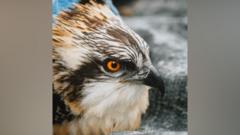
Cumbria Wildlife Trust reports a record hatch of osprey chicks at a nature reserve, driven by a newly established breeding pair joining the population. The trust attributes the spike in chick numbers to successful nesting conditions and expanded breeding activity across the reserve.
Ospreys have made a remarkable comeback in the UK after near extinction in the mid-20th century. Once hunted to local extinction, the species rebounded through reintroduction programs and legal protection. The Cumbria Wildlife Trust reserve now serves as a vital breeding ground for the raptors, with the new pair's arrival signaling growing population stability in the region.
The influx of chicks reflects improving wetland habitat management and reduced human disturbance during critical nesting periods. Conservation efforts targeting osprey recovery have focused on protecting nesting sites, securing food sources in freshwater ecosystems, and monitoring breeding success rates. Each new breeding pair multiplies recovery momentum, as ospreys demonstrate high site fidelity and return to successful nesting locations year after year.
The trust's optimism about the record number points to broader wildlife recovery trends in northern England. Osprey populations across Scotland and northern regions have stabilized considerably since reintroduction efforts began in the 1990s. The birds' return transforms local ecosystems, as ospreys regulate fish populations and indicate healthy aquatic environments.
This breeding success builds on decades of patient conservation work. The trust's documentation of chick numbers provides essential data for monitoring population health and informing future habitat management strategies. Record osprey productivity demonstrates that species recovery is achievable through sustained protection and habitat restoration, offering a template for other raptors and wetland-dependent wildlife facing similar challenges.