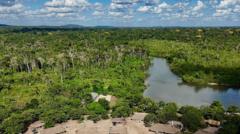
Brazil's Amazon rainforest experienced its smallest annual burn area since satellite monitoring began four decades ago. The 2025 figures mark a historic reversal in deforestation trends that have plagued the region for years.
MapBiomas, the organization tracking forest changes through satellite data since 1985, recorded the decline as fires consumed significantly less Amazon territory than in recent years. The shift reflects intensified conservation efforts and stricter enforcement against illegal logging and agricultural burning that have historically ravaged the forest.
President Luiz Inácio Lula's administration has prioritized Amazon protection since taking office in 2023, deploying additional military personnel and investing in monitoring technology. Federal agencies increased patrols across protected territories and cracked down on criminal networks profiting from illegal deforestation. These interventions directly correlate with the reduced burn area.
Climate advocates view the data as proof that Amazon degradation can reverse with political will and resources. The rainforest generates roughly 20 percent of the planet's oxygen and serves as a critical carbon sink. Protecting it remains central to global climate goals, making Brazil's performance crucial for international environmental commitments.
However, challenges persist. Agribusiness interests continue pressuring the government to open more land for cattle ranching and crop cultivation. Indigenous communities, who manage some of the best-preserved forest sections, face ongoing threats from illegal miners and loggers. Sustaining this downward burn trend requires continued vigilance and funding.
Environmental groups have cautiously celebrated the numbers while emphasizing that one year of improvement cannot reverse decades of damage. Rebuilding burned areas and restoring biodiversity demands decades of consistent protection. Stakeholders view 2025's data as a foundation for ongoing conservation strategy rather than a final victory for the world's most biodiverse ecosystem.