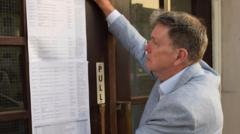
Thirty-four candidates filed to contest the Clacton-on-Sea by-election triggered by Nigel Farage's decision to step down as an MP. The field includes 20 independent candidates alongside representatives from major parties and several joke entries.
Farage vacated the seat less than four months after winning it in the July 2024 general election, citing his desire to focus on leading Reform UK. His departure forced this special election in the Essex constituency he had represented since 2015, when he first entered Parliament.
The ballot includes candidates from Labour, the Conservatives, the Liberal Democrats, and the Green Party. Independents make up the bulk of the field, suggesting local interest in challenging the established party system that dominated Clacton's politics. Joke candidates, a staple of British by-elections, also filed nominations.
Clacton presents a test of Reform UK's staying power outside the party leadership. The constituency voted heavily for Brexit and has become a stronghold for anti-establishment politics. Farage's decision to leave Parliament just months into his tenure raised questions about his commitment to legislative work versus his media and political strategy roles.
The by-election outcome will signal whether Reform maintains its foothold in traditional Conservative territory or whether major parties can reclaim ground lost in the recent electoral shift. Labour and the Conservatives will battle to prevent another Reform victory. The size of the candidate field reflects both genuine local engagement and the British tradition of using by-elections as protest votes or publicity stunts.
Voting will determine not just Clacton's representation but also the trajectory of Reform UK's parliamentary presence and the broader realignment of British politics following the 2024 election.