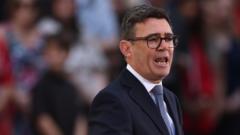
Andy Burnham has walked back earlier comments suggesting an increase to the income tax personal allowance freeze. The Labour mayor of Greater Manchester had previously criticized the freeze, which has kept the tax-free threshold stagnant since 2021, arguing voters felt squeezed by the policy.
Burnham's retreat reflects internal party tension over fiscal priorities. Labour faces pressure to balance public spending demands against pledges to avoid broad tax rises on working people. The personal allowance freeze has become a flashpoint in debates over cost-of-living pressures, particularly affecting middle-income earners who've seen their effective tax burden creep upward through fiscal drag.
His initial remarks tapped into genuine voter frustration. The frozen threshold means more people slip into higher tax brackets annually without earning more in real terms. Workers on modest incomes have absorbed real-term tax increases as wages stagnate relative to inflation. Burnham's comments appeared to signal willingness to revisit the policy, positioning himself as an advocate for struggling households.
The pullback suggests Keir Starmer's government faces competing demands on the fiscal envelope. Raising the personal allowance would cost billions in lost revenue, money the Treasury likely earmarks for NHS funding, social care, or public sector pay. Labour campaigned on economic stability and fiscal responsibility, messaging that conflicts with tax cuts for individuals.
Burnham's reversal also highlights the fragile consensus within Labour ranks on tax policy. Regional leaders and backbenchers will continue pressing for relief on the personal allowance, particularly as inflation erodes real wages further. The freeze remains unpopular across income levels, and any future government faces political risk defending it.
The issue won't disappear. Without adjustment, the personal allowance squeeze will deepen pressure on low and middle-income workers, creating persistent political vulnerability. Whether Burnham's silence signals genuine acceptance or tactical retreat remains unclear.