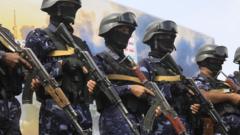
Yemen's Houthi movement announced a "maritime embargo" against Saudi Arabia, claiming the action responds to Riyadh's blockade of Yemeni ports and airports. The Iran-backed militant group declared the embargo effective immediately.
The announcement escalates tensions in a conflict that has devastated Yemen's economy and civilian population for years. Saudi Arabia leads a coalition that has conducted airstrikes against Houthi positions since 2015, when the group seized control of the capital Sanaa and northern regions. The coalition imposed a naval and air blockade that restricted humanitarian aid, fuel imports, and commercial goods entering Yemen.
Houthi officials framed the embargo as reciprocal pressure against Saudi economic interests in the Red Sea region. The group has previously attacked commercial shipping in the waters, claiming solidarity with Palestinians amid the Gaza conflict. These maritime incidents disrupted global trade routes and raised insurance costs for vessels transiting the area.
The embargo declaration follows months of Houthi drone and missile attacks on Saudi targets. Saudi Aramco facilities, airports, and military installations have suffered damage from these strikes. The coalition responded with renewed bombardment campaigns targeting Houthi infrastructure.
International observers warned the announcement could further destabilize an already fragile ceasefire framework. The UN attempted to broker humanitarian pauses and peace talks, but the Houthis and Saudi-led coalition remained at odds over implementation terms. Blockade conditions have pushed Yemen toward humanitarian crisis, with millions facing food insecurity and limited access to medical supplies.
The maritime embargo reflects the Houthis' strategy of using economic pressure as a negotiating tactic while projecting regional power. Saudi Arabia dismissed the move as rhetoric, but security analysts noted the group possessed capacity to disrupt shipping lanes and coastal infrastructure. The declaration intensified concerns about prolonged instability in the strategically vital Red Sea corridor.