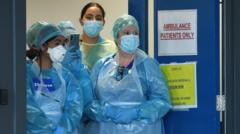
The UK's procurement of personal protective equipment during the COVID-19 pandemic was catastrophically mismanaged, according to findings from the official inquiry into the government's pandemic response. The investigation found that the National Health Service wasted approximately £10 billion on PPE that often failed to adequately protect healthcare workers and patients from infection.
The inquiry report reveals a pattern of poor purchasing decisions, inadequate stockpiling before the crisis, and widespread distribution of substandard equipment to frontline NHS staff. Healthcare workers faced critical shortages of reliable masks, gowns, and gloves while simultaneously dealing with a glut of unsuitable or low-quality supplies. This fundamental failure left medical professionals vulnerable to infection and compromised their ability to protect vulnerable patients during peak waves of the virus.
The report documents how government procurement processes bypassed normal safety protocols and competitive tendering in favor of emergency fast-tracking that prioritized speed over quality assurance. Billions flowed to suppliers with minimal track records in medical equipment manufacturing, while established healthcare supply chains were sidelined. The result was warehouses filled with unusable stock alongside genuine shortages of essential items.
NHS staff endured extended shifts in inadequate protective gear, facing elevated risks of severe illness or death. The inquiry underscores how this waste not only squandered public money but directly endangered healthcare workers at the pandemic's frontlines. The findings represent a damning assessment of government pandemic planning and execution, revealing failures in both preparation and crisis response that had life-altering consequences for thousands of NHS employees. The report recommends substantial reforms to emergency procurement frameworks and public health stockpiling protocols.