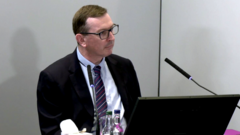
An NHS manager testified to an inquiry that hospital leadership wanted roughly 4,000 incident reports deleted from their system, signaling an attempt to suppress documented safety concerns. The manager stated he believed the trust was "panicking" over the volume of complaints and actively discouraged him from escalating staffing and scheduling problems.
The testimony reveals systematic pressure to erase evidence of operational failures rather than address them. The manager described an environment where raising rota issues, which directly impact patient safety and staff welfare, faced institutional resistance. This pattern suggests the trust prioritized optics over transparency during a period of mounting pressure.
The inquiry centers on how NHS trusts handle safety reporting and accountability. Deleting incident reports represents a serious breach of governance protocols designed to identify systemic problems and prevent future harm. Each report documents a potential patient safety risk or staff concern that should trigger corrective action.
The manager's account exposes a troubling disconnect between what frontline staff observe and what senior leadership documents officially. Rather than investigating the root causes of 4,000 separate incidents, the trust allegedly sought to erase them. This approach masks chronic problems in staffing, scheduling, and clinical processes that accumulate into patient safety risks.
The testimony carries weight because it comes from someone inside the trust hierarchy who witnessed decision-making firsthand. His willingness to speak to investigators suggests the pressure was overt enough that multiple staff members recognized it as inappropriate. NHS trusts operate under duty of candor regulations requiring transparency about patient safety failures and organizational problems.
The inquiry's focus on report deletion underscores how NHS governance failures extend beyond individual clinical errors into institutional culture. When organizations prioritize hiding problems over fixing them, patient safety deteriorates and staff burnout accelerates. This case demonstrates why independent scrutiny of NHS management practices remains essential.