During extreme heat, your body's nutritional needs shift. Eating the right foods keeps you hydrated, maintains energy, and prevents heat-related illness.
Protein intake actually matters more during heatwaves, not less. Your body burns extra calories regulating temperature, so adequate protein prevents muscle breakdown. However, heavy, cooked proteins like steak tax your digestive system and generate internal heat through thermogenesis. Light proteins work better. Greek yogurt, cottage cheese, and cold-prepared options like canned tuna require minimal cooking and digest more easily.
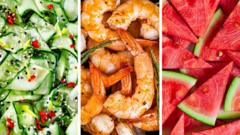
Hydrating foods do the heavy lifting. Watermelon, cucumbers, strawberries, and leafy greens contain 80-95 percent water and electrolytes your body loses through sweat. These foods hydrate better than water alone because they include potassium and sodium that aid retention.
Carbohydrates fuel activity without excessive heat production. Whole grains, oats, and legumes provide sustained energy. Pair them with hydrating vegetables rather than heavy sauces.
Cold beverages matter strategically. Iced herbal tea, coconut water, and electrolyte drinks replace minerals faster than plain water. Avoid excess caffeine and alcohol, which increase dehydration.
Timing shifts during heat. Eat larger meals during cooler mornings and evenings. Smaller, frequent snacks during peak heat prevent digestive strain and maintain blood sugar stability.
Salt cravings intensify in heat. Listen to them. Your body needs sodium to retain fluids and prevent hyponatremia. Salted nuts and olives serve double duty as both nutritious snacks and electrolyte sources.
Skip processed foods, excess sugar, and fried items. These require more digestive effort and spike blood sugar, leaving you more fatigued and dehydrated. Refined carbs also increase heat production in your body.
No-cook meals dominate smart heatwave eating. Gazpacho, overnight oats, grain bowls with fresh vegetables, and antipasto boards all deliver nutrition without heating your kitchen or