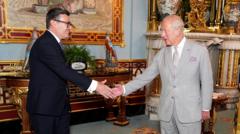
Andy Burnham has taken the prime minister's office following Labour's electoral victory, marking a significant shift in UK politics. The Manchester mayor and former health secretary moves into No 10 with a clear set of priorities outlined for his incoming government.
Burnham's ascent reflects Labour's successful campaign strategy after years of Conservative rule. His background in health administration and local governance positions him as a pragmatist rather than an ideologue. The party expects him to focus on NHS reform, regional inequality, and economic recovery as core policy pillars.
His first statements emphasize rebuilding public services strained by the previous administration's tenure. The new PM signals attention to levelling up provincial economies and addressing the cost of living crisis that dominated recent electoral discourse. NHS funding and staffing remain immediate priorities, drawing on Burnham's ministerial experience.
The transition represents continuity in some areas while promising fresh direction in others. Burnham's Cabinet appointments will reveal whether he favors generational change or retains experienced figures from earlier Labour governments. Early indications suggest a blend of both approaches.
Labour's parliamentary majority provides Burnham room to implement legislation without coalition complications. However, economic headwinds and public sector backlogs present immediate governance tests. His effectiveness in the first hundred days will shape perceptions of whether his promised reforms can deliver tangible results.
The moment also marks Labour's return to power after a lengthy opposition period. Burnham's grassroots credibility and regional focus differentiate his leadership style from predecessors, potentially resetting Labour's relationship with voters in post-industrial communities that drifted toward other parties. His tenure begins with both opportunity and pressure to prove transformational governance.