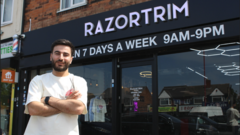
Razwan Amin launched a barber shop after graduating from Erdington Academy with a mission rooted in community service. The former student now offers free haircuts to fellow academy pupils, directly addressing the financial strain families face during the cost of living crisis.
Amin's model transforms his barbering business into a social enterprise that prioritizes accessibility over profit margins. By absorbing the cost of labor and materials for student clients, he removes a recurring expense that many households struggle to cover. The initiative reflects a growing trend among young entrepreneurs who embed social responsibility into their business operations from day one.
The move carries particular weight in communities where disposable income has contracted sharply. Haircuts, while routine maintenance, represent a discretionary expense families often defer or eliminate entirely during economic downturns. Amin's free-cut policy eliminates that friction point for Erdington Academy students, allowing them to maintain grooming standards that affect confidence and school experience.
His approach extends beyond charity framing. By building goodwill and client relationships early, Amin creates long-term customer loyalty. Students who receive free cuts develop brand attachment and likely become paying clients post-graduation. The strategy seeds his customer base while solving a real community problem.
This model sits within a broader shift where Gen-Z entrepreneurs embed social impact into business DNA rather than treating it as an afterthought. Amin's barbershop operates as both commerce and intervention, targeting the intersection of youth unemployment and financial precarity in his local area.
The initiative also signals how hyperlocal businesses can respond to macro economic conditions more nimbly than corporate chains. A neighborhood barber understands his customer base's struggles intimately and can adjust pricing, service offerings, and community programs accordingly. Amin's investment in Erdington Academy students strengthens ties to his immediate market while generating the intangible asset of community trust.