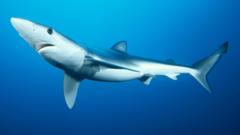
Natural England's Species Recovery Programme has secured £1 million in funding to protect three shark species facing population declines in UK waters. The initiative targets the blue shark, porbeagle, and tope, all of which have experienced significant drops due to fishing pressure and habitat loss.
The funding represents a major commitment to marine conservation in British waters. Blue sharks, migratory pelagic predators, have seen their numbers diminish alongside overfishing in the Atlantic. Porbeagles, deep-sea sharks prized for their meat, face similar pressures from commercial fishing operations. Tope, smaller bottom-dwelling sharks essential to coastal ecosystems, have collapsed to near-commercial extinction in some UK regions.
The recovery programme will implement targeted interventions across multiple fronts. Research priorities include population monitoring, habitat restoration in key breeding and nursery grounds, and collaboration with fishing industries to reduce bycatch. Scientists will also examine reproductive biology and movement patterns to inform evidence-based protection strategies.
This funding announcement reflects growing recognition that shark declines pose broader ecological risks. As apex and mesopredators, these species regulate prey populations and maintain ecosystem balance. Their loss cascades through food webs, affecting fish stocks that support both wildlife and commercial fisheries.
Natural England's approach aligns with international conservation frameworks and UK biodiversity targets. The investment signals strengthened commitment to marine species protection beyond charismatic megafauna typically featured in conservation campaigns. Shark recovery efforts often struggle for public and political support, making dedicated funding allocations rare and valuable.
The programme operates within existing marine protected area designations and works alongside fishing sector stakeholders. Success metrics will include population recovery timelines and measurable improvements in habitat quality across breeding and feeding grounds in the North Atlantic and surrounding waters.