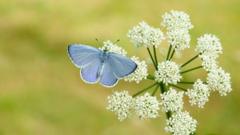
Britain's butterfly populations face a promising summer ahead, driven by the recent heat wave conditions sweeping across the UK. A leading scientist points to warm weather as the primary catalyst for what could become a banner year for butterfly sightings and breeding activity.
Warm temperatures accelerate butterfly development cycles and boost survival rates across multiple species. Caterpillars thrive in heat, completing their metamorphosis faster and in greater numbers. Adults emerge with better nutrition stores, enabling extended flight seasons and increased reproductive success. The conditions also trigger flowering plants to bloom earlier and more abundantly, creating abundant nectar sources throughout the season.
This potential boom reflects broader patterns in butterfly ecology. UK butterfly populations have faced decades of decline due to habitat loss, pesticide use, and agricultural intensification. Recent conservation efforts and milder winters have helped stabilize some species, but summer weather remains the strongest annual determinant of population health.
The predicted surge could benefit both common species like peacocks and red admirals, as well as rarer varieties that depend on optimal conditions. Butterfly enthusiasts and citizen scientists are already preparing monitoring equipment, as summer butterfly counts contribute valuable data to long-term population tracking programs.
However, the prediction carries caveats. Extended heat beyond optimal ranges can stress insects and plants alike. Drought conditions accompanying heat waves can dry up larval food sources. The coming weeks will determine whether this summer delivers the anticipated butterfly renaissance or falls short of expectations.
The forecast reflects how climate volatility now shapes UK wildlife patterns season by season, making consistent monitoring essential for understanding species resilience.