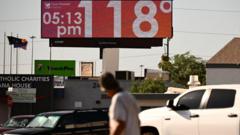
Phoenix's Maricopa County sits in one of America's hottest regions, yet it has managed to reverse a deadly trend. The desert metropolis has cut heat-related deaths through targeted public health interventions, offering a blueprint for cities worldwide facing intensifying temperatures.
Extreme heat kills more Americans annually than hurricanes, floods, and tornadoes combined. Maricopa County recorded 645 heat deaths in 2023, but the county has implemented strategies that reduced mortality rates compared to prior years. The approach combines early warning systems, cooling centers, outreach to vulnerable populations, and partnerships with community organizations.
The county's heat response plan activates when temperatures exceed dangerous thresholds. Mobile cooling units deploy to homeless encampments and low-income neighborhoods. Health officials conduct welfare checks on elderly residents living alone, a demographic that faces outsized risk during heat waves. Local nonprofits coordinate with healthcare providers to identify at-risk individuals before danger strikes.
Data drives the intervention. Maricopa County tracks heat-related emergency room visits and death patterns by neighborhood, then targets resources accordingly. The city also invested in urban cooling infrastructure, planting trees and creating shade structures in areas with minimal vegetation and high elderly populations.
Community engagement proved essential. Door-to-door canvassing campaigns distribute information about recognizing heat exhaustion and locating cooling shelters. The county partnered with faith-based organizations and ethnic community groups to reach populations skeptical of government health messaging.
Climate change intensifies heat exposure across the globe. Cities from Dubai to Delhi face rising temperatures that stress electrical grids and healthcare systems. Maricopa County's success suggests that heat deaths, unlike heat waves themselves, remain preventable through coordinated planning and adequate funding.
The model requires investment upfront, but the cost of inaction proves steeper. As temperatures climb worldwide, Maricopa County demonstrates that even in extreme heat environments, strategic intervention saves lives.