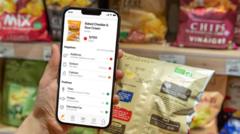
Food tracking apps have exploded in popularity over the past decade, with millions of users logging meals daily through platforms like MyFitnessPal, Cronometer, and Apple Health. But the research on whether these tools actually improve dietary outcomes remains mixed.
Studies show that the act of logging itself creates awareness. Users who track tend to make more deliberate food choices simply because they pause to record what they eat. This friction works. However, long-term adherence presents a real problem. Most users abandon tracking apps within weeks or months, suggesting the habit doesn't sustain behavior change without external motivation.
Nutritionists and researchers point to a psychological pitfall. Tracking can fuel obsessive thinking around calories and macros, potentially triggering disordered eating patterns in vulnerable people. The gamification elements built into many apps, where users chase calorie deficits or protein targets, can push this further. A person might hit their logging targets while still eating processed foods, creating a false sense of compliance.
Context matters too. Tracking works best paired with other interventions like therapy, dietitian support, or community accountability. Used alone, the apps function more as mirrors than transformers. They show you what you eat, not necessarily how to eat better.
The business model also complicates the picture. Many tracking apps monetize through premium subscriptions and partnerships with food brands. This creates financial incentives that don't always align with user health outcomes.
The honest answer: tracking can be useful as a temporary awareness tool, but it's not a substitute for sustainable dietary education or addressing the underlying behaviors that drive poor food choices. For some people, especially those with obsessive tendencies or eating disorders, tracking apps carry real risk. For others, the structure helps. The app isn't the solution. Your relationship with food is.