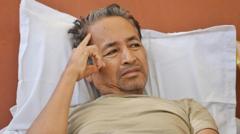
Sonam Wangchuk, the Ladakh-based climate and education activist, entered a hospital after a 20-day hunger strike that drew international attention to demands for constitutional protections for the region. Indian authorities removed him from his protest site and admitted him for medical evaluation as his condition deteriorated.
Wangchuk had fasted to pressure the Indian government into granting Ladakh a separate constitutional status and greater autonomy from Jammu and Kashmir. The activist, known for his environmental work and innovations in sustainable education, mounted the protest in New Delhi before authorities intervened.
His hospitalization marks an escalation in tensions between civil society and the Indian state over Ladakh's administrative future. The region, reorganized as a Union Territory in 2019, remains a flashpoint for demands for self-governance and protection of local interests against what activists view as external encroachment.
Abhijeet Dipke, founder of the Cockroach Janta Party, has now taken up Wangchuk's cause by beginning an indefinite fast to continue pressure on New Delhi. The relay of protests signals growing momentum among activist circles determined to keep the constitutional status issue in public view.
Wangchuk's forced hospitalization raises questions about India's handling of peaceful dissent. While the government frames medical intervention as necessary, rights advocates argue it silences legitimate political expression. The incident reflects broader tensions between New Delhi's administrative authority and regional demands for greater autonomy in India's periphery.
The fast has garnered support from environmental and student networks across India, with many viewing Wangchuk's cause as tied to larger questions of indigenous land rights and self-determination in mountainous regions historically distinct from central Indian governance.