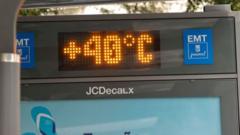
Heat waves expose fragility in infrastructure systems worldwide. Power grids, rail networks, and data centers face operational collapse when temperatures spike beyond design tolerances.
Energy utilities built systems decades ago with climate assumptions no longer valid. Transformers overheat and fail. Power lines sag. Cooling systems max out. Last summer, European grids nearly buckled during record heat. The UK experienced train track buckling; France throttled nuclear reactor output due to insufficient cooling water availability. Meanwhile, data centers that power cloud services and AI applications demand enormous amounts of cooling capacity, forcing operators to shut down or throttle services during extreme heat events.
The problem intensifies as demand for electricity climbs during heat waves. Air conditioning units draw maximum power precisely when generation capacity drops. Solar panels become less efficient at higher temperatures. Hydroelectric dams lose output as water evaporates faster and reservoirs deplete.
Supply chains compound vulnerability. Semiconductors require precise temperature control during manufacturing. Battery production stalls. Fiber optic cables degrade. Tech companies increasingly rely on cloud infrastructure located in regions experiencing unprecedented heat frequency.
Fixing this requires infrastructure hardening that utilities postpone due to cost. Burying power lines costs billions. Upgrading cooling systems demands investment. Installing thermal-resistant equipment adds expenses when budgets already strain.
Some companies now factor climate adaptation into capital planning. Meta and Google invest in heat-resilient data center designs. Tech firms lobby governments for grid modernization funding. Yet most infrastructure remains reactive rather than proactive. Systems designed for 20th century weather patterns now serve a hotter world.
The gap between infrastructure resilience and climate reality widens annually. As extreme heat becomes routine, vulnerable systems face routine failure unless major upgrades begin immediately.