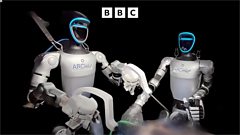
Surgeons have successfully piloted two humanoid robots inside an operating theatre in a landmark demonstration of remote robotic surgery. The procedure marks a significant step toward expanding surgical capabilities beyond physical proximity constraints.
The remote surgery experiment positioned surgeons at a distance from the operating theatre while they controlled robots equipped with surgical precision tools. The humanoid design allows the robots to mimic natural hand movements and positioning, translating surgeon commands into precise actions at the patient site. This setup eliminates the need for surgeons to be physically present during certain procedures, potentially opening doors to specialized care in remote or underserved regions.
The technology combines haptic feedback systems, which let surgeons feel resistance and texture, with advanced motion-capture technology that converts hand gestures into robotic movements. Real-time video feeds provide surgeons with comprehensive views of the surgical field, allowing them to make decisions as though they were standing over the patient.
This development builds on earlier telemedicine breakthroughs in surgery. Da Vinci Surgical Systems, already operating in thousands of hospitals, proved remote surgery feasible decades ago, though those robots required surgeon presence in an adjacent room. This humanoid approach enables greater distance while maintaining the dexterity modern surgery demands.
Potential applications extend beyond trauma response. Rural hospitals lacking specialized surgeons could tap into expertise from major medical centers. International collaboration during complex procedures becomes more practical. Training programs could benefit from remote supervision by master surgeons observing and guiding less experienced colleagues.
Challenges remain around latency, network reliability, and regulatory frameworks. Even millisecond delays in signal transmission could compromise surgical accuracy. Liability questions need resolution before widespread deployment. The medical community must establish certification standards for remote surgical systems and train new generations of surgeon-operators.
The demonstration represents a convergence of robotics, artificial intelligence, and telecommunications reshaping surgical practice. As the technology matures, it could redefine how specialized surgical care reaches patients globally.