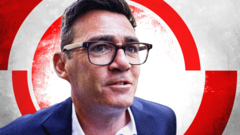
Andy Burnham, the former Greater Manchester mayor, stands positioned to potentially enter Downing Street by mid-July following Labour's anticipated general election victory. The timing remains contingent on the election results, but Burnham represents a significant figure in Labour's leadership structure.
Burnham built his political career through two decades in Parliament before shifting focus to regional leadership. His tenure as Greater Manchester mayor from 2017 onward established him as a vocal advocate for devolved powers and regional investment. He championed transport infrastructure improvements, pursued ambitious public health initiatives, and pushed back against central government austerity measures affecting northern England.
His policy platform centers on levelling up the regions, though with notably different emphasis than the Conservative framing. Burnham advocates for genuine power transfers to local authorities rather than top-down initiatives. He prioritizes NHS reform with focus on preventative care and mental health services. Transport and housing shortages dominate his regional agenda, addressing longstanding Manchester infrastructure gaps.
On social policy, Burnham supports stronger workers' rights protections and increased funding for local services decimated by spending cuts. He has positioned himself as a champion of northern interests within Labour's broader platform, using his regional base to amplify calls for economic decentralization away from London.
The prospect of Burnham in high office signals potential cabinet consideration under a Labour government. His experience managing a major metropolitan area and his working-class roots contrast with other senior Labour figures. Whether he assumes a specific Treasury or health brief remains unclear, but his elevation would reflect Labour's commitment to northern representation at the highest levels of government.