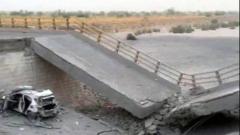
Iran has accused the United States of striking civilian infrastructure during overnight military operations, marking an escalation in regional tensions. The Iranian government claims American forces targeted non-military sites, a charge the US military disputes.
US Central Command stated its operations targeted Iranian military capabilities specifically. The command characterized the strikes as defensive measures designed to "further degrade Iranian military capabilities" in response to prior Iranian aggression. American officials framed the action as a proportional response to threats against US personnel and interests in the region.
Iranian officials presented a different narrative, emphasizing damage to civilian areas and infrastructure. The accusation reflects the broader pattern of tit-for-tat military exchanges between Washington and Tehran over the past several months, with each side claiming the other initiated hostilities.
This incident occurs amid heightened tensions following previous Iranian drone and missile attacks against Israel, which prompted American military involvement. The Biden administration has balanced deterrence against Iran's militant proxies with efforts to prevent broader regional conflict.
The timing carries political weight as the 2024 election cycle intensifies in the United States. Both Republican and Democratic politicians scrutinize the administration's approach to Iran policy, with some demanding harder lines and others cautioning against military escalation.
International observers have expressed concern about the cycle of retaliation. Each strike risks triggering counter-strikes, potentially spiraling into wider conflict involving Israel, US-backed Gulf states, and various Iranian proxies across Syria, Iraq, and Yemen.
The strikes underscore the fragility of the current regional balance and the absence of diplomatic channels between Washington and Tehran since the US withdrawal from the nuclear deal in 2018.