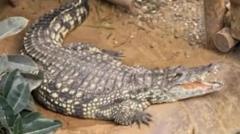
A three-year-old boy attacked by a crocodile at a zoo has undergone seven surgical procedures within a month and is recovering, according to his parents. The child sustained injuries during an encounter with the reptile but has begun showing positive signs, including smiling, as he progresses through his rehabilitation.
The family has not disclosed the specific zoo location or detailed circumstances of the attack, but medical teams have focused on reconstructive and corrective surgery to address the trauma. Seven operations in such a compressed timeframe indicates the severity of the initial injuries and the intensive nature of pediatric trauma care required.
The parents' public statement emphasizes their son's resilience. Young children often demonstrate remarkable capacity for physical healing and psychological adaptation, particularly when supported by family and specialized medical care. Each successful operation removes one more obstacle from the recovery path.
The incident underscores ongoing conversations about zoo safety protocols, animal enclosures, and preventive measures to protect visitors, especially children. Zoo authorities typically implement multiple barriers between dangerous species and the public, though accidents do occur. Crocodiles remain among the world's most lethal predators, and attacks, while rare in controlled zoo environments, carry extreme risk.
The boy's continued progress toward normalcy represents both a personal triumph for his family and a testament to modern surgical intervention. His ability to smile again signals not just physical healing but emotional recovery, suggesting the psychological impact of such trauma may be gradually diminishing alongside his physical wounds.
The family's decision to share his progress publicly offers hope to others facing similar medical crises. Recovery from life-threatening animal attacks, particularly for young children, requires extended hospital stays, pain management, and often years of ongoing therapy and rehabilitation.