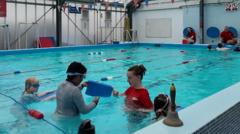
A new Water Safety Forum launches across UK primary and secondary schools this autumn, addressing gaps in aquatic education. The initiative responds to swimming clubs and safety advocates calling for expanded water safety instruction beyond traditional swimming lessons.
The forum will equip schools with resources and training to embed water safety into their curricula. This covers essential skills like recognizing drowning risks, understanding water hazards, and basic rescue techniques. Swimming organizations have long flagged that classroom instruction remains fragmented, leaving students unprepared for real-world water scenarios.
Current school swimming programs focus primarily on stroke technique and pool competency. The new approach broadens scope to include open-water safety, cold-water response, and survival skills. Advocates argue this holistic training reduces drowning deaths and water-related accidents among young people.
The Water Safety Forum partnership brings together swimming clubs, local authorities, and educational bodies. Schools gain access to certified instructors and curriculum modules designed for different age groups. Implementation begins this autumn, with rollout planned across hundreds of institutions.
Data underscores the need. Drowning remains a leading cause of unintentional injury death for children and adolescents. Early intervention through school-based education provides cost-effective prevention, particularly for communities with limited pool access.
Swimming clubs see this as a watershed moment for preventative education. Rather than waiting for incidents to spike, schools now embed safety literacy alongside physical instruction. The forum model allows flexibility, letting schools tailor programs to local water environments and student demographics.
Success depends on sustained funding and teacher training. Schools must allocate time within packed schedules, and instructors require certification updates. Early adopter schools report increased student confidence around water, translating to safer behavior in natural water settings.