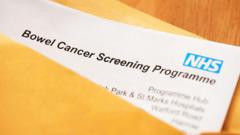
Bowel cancer screening rates among people in their mid-50s have stalled well below target, triggering a new push from UK health officials to boost participation. Less than 55 percent of 54-year-olds completed free at-home test kits, according to the latest data, leaving the NHS screening program falling short of its goal to catch early-stage disease.
The underperformance reflects a broader pattern. Uptake across the bowel cancer screening program has consistently lagged behind targets for years, despite the proven effectiveness of early detection in improving survival rates. Officials now face a public health challenge: convincing millions of eligible adults that a simple home test can identify cancer before symptoms emerge.
The screening program offers eligible recipients a free faecal immunochemical test, or FIT kit, which detects blood in stool samples. Results typically come back within two weeks. Those showing positive results proceed to colonoscopy for further investigation. The system catches bowel cancer at earlier, more treatable stages compared to diagnoses made after symptoms appear.
Health authorities attribute low completion rates to a combination of factors. Embarrassment remains a barrier for some, though messaging campaigns have tried to normalize the screening process. Others simply overlook invitations or forget to return test kits. Competing health priorities and general appointment fatigue post-pandemic have also dampened engagement.
Officials emphasize the stakes. Bowel cancer ranks as the fourth most common cancer in the UK, with over 42,000 new diagnoses annually. Early detection through screening dramatically improves outcomes, yet thousands remain unscreened despite eligibility. The NHS is now intensifying outreach efforts to reach those who received invitations but never participated, focusing on removing barriers and clarifying the procedure's simplicity and safety.