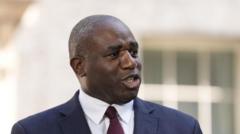
David Lammy, Labour's deputy prime minister, acknowledged that the party mishandled its initial response to the Gaza conflict. In an interview with the BBC, Lammy called Labour's early stance "problematic," marking a rare moment of internal candor about a decision that dogged Sir Keir Starmer's leadership during the party's 2024 election campaign.
The admission reflects lingering tensions within Labour over Gaza policy. When the conflict erupted in October 2023, Starmer faced pressure from pro-Palestinian activists and left-wing party members who demanded stronger criticism of Israel. Labour's initial position satisfied neither camp. Pro-Palestinian groups viewed it as insufficiently forceful, while others accused the party of moral inconsistency.
Lammy's comments suggest the party has recalibrated since taking office. The government has since recognized Palestinian statehood and called for a ceasefire, moves that signal a shift from Starmer's earlier caution. Yet Lammy's characterization of the original response as "problematic" undercuts Starmer's handling of the issue during the campaign, when the Labour leader sought to thread a needle between supporting Israel's right to defend itself and acknowledging Palestinian civilian suffering.
The Gaza question repeatedly surfaced during Labour's election run, with pro-Palestinian protesters disrupting campaign events and demanding clarity on the party's commitment to Palestinian rights. Some constituencies with large Muslim populations saw Labour MPs face backlash. The party's equivocation cost it credibility with younger voters and progressive activists, even as it ultimately won the general election.
Lammy's willingness to label the response as flawed now that Labour holds power suggests the party has moved past the political calculation that initially shaped Starmer's approach. However, the admission also reopens questions about whether Starmer should have acted differently from the start. For activists who pushed Labour harder on Gaza, Lammy's words arrive too late to influence campaign messaging, but they validate the criticism Labour faced during the conflict's earliest and most intense period.