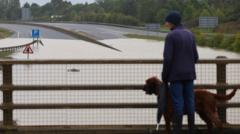
The UK government is rolling out a public information campaign to prepare citizens for cyber-attacks and severe weather emergencies. The initiative frames disaster preparedness as a core part of national resilience strategy.
Officials plan to distribute guidance on how households and businesses should respond to infrastructure failures triggered by cyberattacks or extreme weather events. The campaign targets scenarios where power grids, water supplies, and communications systems face disruption. Messaging will focus on practical steps residents can take to protect themselves and their families during prolonged outages.
The timing reflects growing concerns about Britain's vulnerability to coordinated digital attacks and climate-driven extreme weather. Recent years have seen increased foreign cyber threats targeting critical infrastructure, while flooding and heatwaves have stressed national systems. The government sees public education as essential to reducing chaos and casualty rates if major incidents occur.
The campaign represents a shift toward civilian-centered emergency planning. Rather than positioning the state as sole protector, officials acknowledge that individual preparedness improves overall societal resilience. Guidance will likely cover stockpiling essentials like water and food, understanding evacuation routes, and accessing emergency alerts through multiple channels.
This announcement fits within broader UK security reviews examining national vulnerabilities. The government previously highlighted concerns about Russian and Chinese cyber capabilities targeting critical sectors. Simultaneously, the Met Office and climate scientists have warned of intensifying weather events requiring better preparedness.
The public information push aims to normalize emergency planning without inducing panic. Officials will balance transparency about genuine risks with reassurance about government protections already in place. The campaign's success depends on reaching diverse demographics, including elderly populations and those in remote areas with limited connectivity.