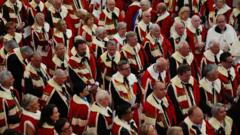
The UK Parliament's reform efforts have turned toward the House of Lords, where a committee proposes mandatory attendance benchmarks and mandatory retirement ages to address long-standing concerns about chamber engagement. The proposed rules would require peers to maintain at least a 20% attendance record, forcing accountability on members who treat their seats as sinecures. Those failing to meet the threshold face removal from active participation.
The retirement mandate at age 80 targets a chamber historically resistant to turnover. Current Lords include members well into their nineties, some with minimal legislative contributions. The committee framing this reform argues that mandatory retirement ages refresh the chamber and create space for new voices while maintaining the expertise and continuity the upper house provides.
These changes reflect broader frustration with Lords effectiveness. The chamber has ballooned to over 800 members, the largest legislature in the world after the Chinese parliament. Without turnover mechanisms or attendance requirements, the body struggles with visibility and relevance. Peers often retain their positions for life, collecting expenses while contributing little.
The 20% threshold represents a modest bar—roughly two days per week—but introduces enforceable standards absent from current practice. Implementation poses administrative challenges: tracking attendance, defining what qualifies as participation, and establishing appeals processes for members sidelined for low engagement.
Labor and Conservative peers diverged on scope during committee discussions, with some arguing the measures don't go far enough and others contesting the retirement age as discriminatory. The proposals now face broader parliamentary debate before any formal legislation emerges.
Reform momentum remains uncertain. Previous Lords overhauls stalled for decades. This initiative enjoys cross-party support in principle, but translating consensus into law requires political capital the government may not prioritize amid domestic pressures. The next phase tests whether rhetoric around institutional renewal converts into actual structural change.