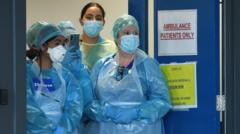
The UK's Public Inquiry into the Covid-19 response found that the government squandered £10 billion on personal protective equipment that failed to adequately shield NHS staff from infection. Healthcare workers lacked proper protection despite unprecedented spending, leaving them vulnerable to the virus and unable to safely care for patients.
The inquiry blamed systemic failures in procurement, storage, and distribution. Officials ordered PPE without clear specifications or quality assurance mechanisms. Stockpiles sat unused in warehouses while frontline workers faced shortages of reliable masks, gloves, and gowns. Some PPE proved unsuitable for clinical use, forcing staff to improvise with inadequate alternatives.
The findings expose how political pressure to appear decisive drove hasty purchasing decisions. Companies with no track record in medical supply landed massive contracts through expedited channels. Accountability mechanisms were bypassed. Staff reported using bin bags as aprons and reusing single-use masks across shifts, creating infection risks for themselves and patients.
The report underscores how poor pandemic preparation worsened the crisis. The government had been warned years earlier to maintain robust PPE reserves, but previous administrations deprioritized stockpiling. When the emergency hit, panic buying and poor planning collided catastrophically.
The £10 billion waste represents not just fiscal mismanagement but human cost. NHS staff faced elevated mortality rates and lasting trauma from unsafe conditions. Some contracted Long Covid. Patients received care from exhausted, frightened workers operating without proper barriers.
The inquiry's findings will shape future pandemic planning. It recommends establishing transparent procurement standards, maintaining strategic reserves, and creating clearer supply chain oversight. The report serves as a reckoning for political leaders who treated a health crisis as a PR exercise rather than an urgent logistics challenge.