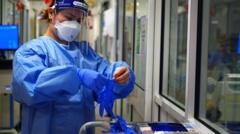
Britain's Covid inquiry has exposed severe failures in government procurement of personal protective equipment, with wasteful spending that cost taxpayers billions of pounds. The investigation reveals systematic gaps in stockpiling strategy, inadequate supply chain planning, and chaotic purchasing decisions that left healthcare workers exposed to shortages while warehouses filled with surplus stock.
The inquiry found that the Department of Health failed to maintain adequate PPE reserves despite pandemic preparedness guidelines. When Covid hit, officials scrambled to source gloves, gowns, masks, and respirators at inflated prices from untested suppliers. Many contracts went to companies with no track record in medical supply, some lacking proper quality assurance.
Storage and distribution proved equally problematic. Tonnes of equipment rotted in warehouses or sat unused while NHS trusts reported critical shortages. The government's "PPE taskforce" operated without clear oversight or inventory management systems. Political pressure to show action overrode cost controls, resulting in orders for products that never met specifications or arrived too late to help.
Specific contracts emerged as particularly egregious. The inquiry documented millions spent on PPE that proved unsuitable for frontline use, with some shipments containing contaminated or defective items. A lack of coordination between NHS procurement and government purchasing meant duplicate orders and bidding wars that drove prices skyward.
The report criticizes both civil service incompetence and ministerial accountability gaps. No single official took responsibility for the chaos. The inquiry recommends overhauling emergency supply frameworks and establishing clear stockpiling standards before the next health crisis.
The findings represent a damning indictment of government pandemic response, affecting public trust in institutional readiness for future emergencies.