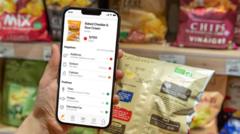
Food tracking apps promise accountability and insight into eating habits, but research suggests the relationship between logging meals and actual health outcomes remains murky.
Apps like MyFitnessPal, Cronometer, and Lose It have millions of active users who log calories, macronutrients, and micronutrients daily. The premise appeals to anyone trying to lose weight or manage a chronic condition. Yet behavioral scientists point out a critical flaw: tracking itself doesn't change behavior without accompanying psychological shifts.
A 2023 study in the Journal of Medical Internet Research found that app users who logged consistently lost modest weight initially, but many abandoned the habit within weeks. The friction of manual entry, the shame of recording "bad" meals, and the obsessive nature of constant monitoring can trigger disordered eating patterns, particularly among younger users.
Registered dietitians offer nuance here. For some people, tracking creates awareness that sticks around even after they stop logging. For others, it breeds anxiety and perfectionism. The apps work best as educational tools paired with professional guidance, not standalone solutions.
The data privacy angle complicates things further. MyFitnessPal and others sell aggregated user data to food manufacturers, pharmaceutical companies, and insurance firms. Users trading meal details for wellness insights rarely understand that exchange.
The BBC's investigation suggests tracking apps serve a limited purpose. They're useful for people with specific clinical needs, diabetes management, or those seeking accountability during structured weight-loss programs. For general wellness, simpler approaches—mindful eating, cooking at home, reading nutrition labels—produce comparable results without the mental burden.
The verdict: tracking isn't inherently good or bad. Context matters. Intent matters. Professional oversight matters.