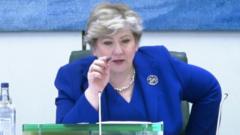
UK MPs are demanding parliamentary oversight of high-profile political appointments to ambassadorial posts, following controversy over Lord Mandelson's selection as ambassador to the United States. The Foreign Affairs Committee issued a report criticizing the appointment process as improvised and lacking proper scrutiny.
The committee found the government bypassed standard procedures when naming Mandelson to the US role, describing the process as "being made up as it went along." This departure from established protocol has triggered demands for formal veto powers, allowing Parliament to reject unsuitable candidates before they assume diplomatic positions.
Mandelson, a senior Labour figure with decades of political experience, initially served as EU Commissioner and European trade negotiator. His appointment to one of Britain's most prestigious diplomatic posts raised questions about whether political credentials should override traditional civil service pathways and merit-based selection for ambassadorships.
The committee's findings highlight broader tensions between executive power and parliamentary accountability in UK governance. MPs argue that ambassadors representing Britain abroad require legitimacy beyond ministerial discretion, particularly when appointees lack diplomatic career backgrounds. The role carries weight in shaping bilateral relations, trade negotiations, and Britain's standing internationally.
The report reflects concerns that political patronage could compromise diplomatic effectiveness and Britain's reputation. Opposition MPs, in particular, used the inquiry to argue for institutional safeguards preventing future governments from treating ambassadorial posts as political rewards.
The government faces pressure to codify new rules governing these appointments, potentially establishing a vetting committee with authority to block unsuitable nominees. Such reforms would represent a significant shift toward constraining prime ministerial power in foreign service appointments, a traditionally protected executive prerogative. The outcome of this dispute could reshape how Britain fills its most senior diplomatic positions for years to come.