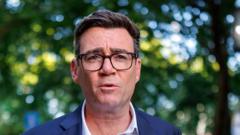
Andy Burnham, the former mayor of Greater Manchester, has emerged as the frontrunner to succeed Keir Starmer as Labour's next leader and Britain's next prime minister.
Burnham built his political profile over a decade leading Manchester, where he championed regional devolution and positioned himself as a voice for working-class communities in the North. His tenure focused on levelling up agendas and infrastructure investment. He developed strong relationships with local business leaders and earned recognition for handling the region during high-profile crises, including the pandemic response and cost-of-living challenges.
The 56-year-old represents a shift in Labour's leadership trajectory. Unlike Starmer, who came from a legal background, Burnham brings hands-on executive experience managing one of England's largest metropolitan areas. His base among northern Labour MPs and grassroots activists gives him substantial party support.
Burnham's ascent reflects broader changes within Labour. The party increasingly values regional credentials and proven administrative competence over Westminster seniority. His public profile resonates with voters in Labour's traditional heartland, where the party has faced challenges retaining support.
The timing suggests Burnham's coronation could come sooner rather than later. Party insiders indicate momentum is building, though formal succession processes remain fluid. His election would mark a turning point for Labour after Starmer's tenure, signalling a return to leaders with demonstrated local governance experience.
Burnham's record in Manchester offers a template for his broader pitch. Infrastructure spending, devolved power, and economic regeneration formed his core agenda. These themes align with Labour's national messaging around regional investment and workers' rights.
The transition signals Labour's confidence in moving forward with tested leadership from its strongest regional base.