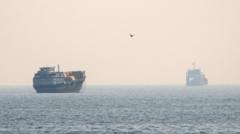
The US conducted military strikes targeting Iranian positions after Tehran threatened to close the Strait of Hormuz, one of the world's most vital shipping lanes. The escalation followed an attack on a Cyprus-flagged vessel transiting the waterway, raising tensions in a region already strained by broader geopolitical conflict.
The Strait of Hormuz, situated between Iran and Oman, handles roughly one-third of global seaborne oil trade. Any disruption threatens energy prices worldwide and destabilizes markets dependent on steady crude flows. Iran's closure threat represents a significant escalation in maritime tensions that have simmered since 2019, when the US withdrew from the Iran nuclear deal.
The attack on the Cyprus vessel marks another incident in a series of shipping disruptions attributed to Iranian-backed forces. These incidents have prompted increased US military presence in the Persian Gulf, including aircraft carrier deployments and naval escorts for commercial shipping.
US military response through strikes signals Washington's commitment to keeping the strait open and protecting commercial navigation. The operations target Iranian military infrastructure, though specifics on damage or casualties remain limited. The move reflects broader US strategy to deter further Iranian provocations while maintaining freedom of navigation.
Iran's response comes amid heightened regional volatility involving various armed groups and proxy forces. The closure threat, while rhetorically powerful, faces practical challenges given international maritime law and global economic pressure. Oil markets reacted with caution, though prices remained relatively stable pending further developments.
This cycle of strike and counter-strike underscores the fragile balance in the Gulf. Both sides escalate while avoiding full-scale war, creating a precarious status quo where economic disruption remains a constant risk.