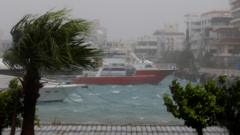
China's Zhejiang province faces a second major typhoon strike within seven days. Nearly two million residents have been evacuated from eastern coastal areas as the storm approaches, with the city of Wenzhou sitting directly in the projected path.
The rapid succession of typhoons underscores the region's vulnerability during peak typhoon season. Eastern Zhejiang, a densely populated industrial and commercial hub, bears the brunt of these weather systems as they move inland from the western Pacific. Wenzhou, home to over three million people and a major manufacturing center, has activated emergency protocols.
Authorities mobilized the massive evacuation as a precautionary measure, moving residents from vulnerable coastal communities and low-lying areas prone to flooding and storm surge. The scale of displacement reflects the region's exposure to tropical cyclones and the government's emphasis on reducing casualties during extreme weather events.
Back-to-back typhoons within a week create compounding risks. Saturated soil from the first storm increases flood hazards from the second system. Infrastructure damage from the initial typhoon, including damaged levees and compromised drainage systems, amplifies secondary disaster potential. Power outages and supply chain disruptions ripple through the regional economy as factories and ports suspend operations.
Zhejiang sits along one of Asia's most active typhoon corridors. The province experiences multiple direct hits annually, making disaster preparedness and rapid evacuation logistics essential components of the region's infrastructure planning. The two-typhoon sequence tests those systems under worst-case conditions.
Meteorological services continue monitoring the storm's track and intensity. Rainfall predictions exceed 200 millimeters in some areas, with stronger gusts expected as the system makes landfall. Schools and businesses remain shuttered across the province as residents shelter in place or occupy designated evacuation centers.