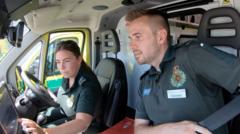
UK ambulance crews in Exeter are fielding a surge of heat-related emergencies as the nation endures one of its longest heatwaves on record. The BBC followed paramedics through a single shift that revealed the scale of the crisis unfolding across the health service.
Heat illness calls spike dramatically during extended hot spells. Elderly patients, those on medications that impair heat regulation, and individuals without adequate cooling face the highest risk. Paramedics report that many callers underestimate their vulnerability to heat exhaustion and heat stroke, arriving at hospitals in critical condition after pushing themselves in dangerous temperatures.
The ambulance service operates under severe strain during heatwaves. Call volumes climb as people experience dizziness, confusion, weakness, and cardiovascular distress triggered by heat exposure. Crews must balance rapid response times with the reality that most ambulances lack climate control adequate for extreme conditions, creating occupational hazards for paramedics themselves.
Public awareness campaigns typically lag behind the actual threat. While meteorological offices issue heat-health alerts, many people ignore warnings or fail to understand the specific vulnerabilities of their own health conditions. The BBC report documents instances where preventable emergencies consumed ambulance resources that could have gone elsewhere.
The Exeter crew's experience mirrors patterns across the UK. Healthcare systems dependent on emergency response infrastructure face operational breakdown when temperatures soar. Preventive strategies like community outreach, cooling centers, and medication reviews prove effective but require investment that many regions lack during peak demand periods.
The heatwave spotlight on ambulance services exposes gaps in public health messaging and healthcare readiness. Paramedics emphasize that heat poses genuine danger to populations often assumed resilient, particularly as climate patterns intensify heat events.