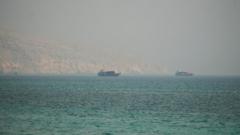
Iran's alleged accidental attack on commercial vessels in the Strait of Hormuz this week has forced Washington to demand formal commitments from Tehran to cease hostile maritime activities. US officials say Iran must pledge to stop shooting at ships transiting one of the world's most critical waterways, according to reports from American media outlets.
The incident occurred early in the week when Iranian forces allegedly fired on vessels crossing the strategically vital strait. Iranian officials characterised the attack as unintentional, describing it as a mistake rather than deliberate provocation. The explanation provides minimal reassurance given the region's volatility and the economic stakes involved.
The Strait of Hormuz serves as a chokepoint for roughly one-third of global maritime oil trade. Attacks on commercial shipping threaten international commerce and energy prices. The incident reflects escalating tensions between Washington and Tehran, with the narrow waterway becoming a flashpoint for US-Iran confrontations in recent years.
US officials have moved quickly to leverage the incident into concrete diplomatic demands. They're pressing Iran for explicit guarantees that such attacks will not recur, signaling zero tolerance for maritime disruptions in the strait. The move reflects broader American strategy to contain Iranian regional influence and protect global shipping lanes from Iranian aggression.
The timing matters. Tensions between the US and Iran remain elevated over nuclear negotiations and broader Middle East dynamics. Any disruption to shipping in the Strait of Hormuz carries outsized geopolitical weight, affecting energy markets worldwide and allied nations' security.
Iran's explanation of a mistake could defuse immediate escalation but likely won't satisfy Washington without formal assurances. US officials view pledges as enforceable commitments that establish clear consequences for future violations. Whether Tehran agrees to such terms remains unclear, but the demand signals America's firm stance on protecting critical maritime routes from Iranian interference.