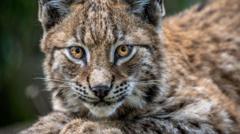
Northumberland County Council has rejected support for lynx reintroduction efforts in the region. Council members voted against backing any application to release lynx into the wild, marking a setback for conservation advocates pushing to restore the predator to British ecosystems.
The lynx vanished from the UK roughly 1,300 years ago. Recent conservation initiatives have explored reintroducing the species to remote areas of Scotland and northern England, where habitat restoration and prey populations like deer have made conditions theoretically viable. Proponents argue reintroduction could restore ecological balance and boost rural tourism.
Northumberland's opposition reflects ongoing tension between environmental restoration goals and local economic concerns. Farmers and rural communities worry about livestock predation risks. Council members cited potential impacts on local agriculture and uncertainty around managing a apex predator in inhabited landscapes.
The vote signals that regional buy-in remains fragmented despite national-level conservation interest. Scotland has advanced further with lynx reintroduction trials, while English councils maintain skepticism. Northumberland's stance suggests that even in areas with suitable habitat and declining human populations, wildlife recovery projects face political resistance rooted in rural livelihoods.
Conservation groups must now navigate a complicated approval process requiring support from multiple local authorities. A single region's opposition won't block reintroduction entirely, but it complicates expansion plans and raises questions about whether lynx can coexist with farming-dependent communities in England.