Australia's Maritime Union has demanded a 28-hour working week as dockworkers brace for accelerating automation across the nation's ports. The union framed the push as a response to artificial intelligence systems being tested at major terminals, which threaten to displace workers through labor-saving technology.
Union officials argue that workers already face productivity pressures from existing mechanization. AI implementation, they contend, will only intensify those demands while reducing total employment. The 28-hour proposal would preserve jobs by distributing available work across more staff without cutting wages, a strategy gaining traction among labor groups worldwide as automation reshapes industries.
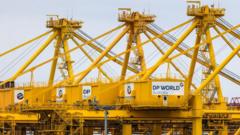
Australia's ports process goods worth hundreds of billions annually, making them central to the economy. Container terminals at Sydney, Melbourne, and Brisbane have piloted automated cranes, sorting systems, and inventory management powered by machine learning. These systems operate around the clock with minimal human oversight, a stark contrast to traditional dock operations requiring large teams for loading, unloading, and logistics.
The union's timing reflects broader anxiety across supply chains globally. As port operators pursue efficiency gains through AI and robotics, workers see reduced hours and permanent positions evaporating. Australia's dockworkers have a history of industrial action. Previous disputes over pay and conditions set precedent for negotiations over technological change.
Employer groups haven't formally responded to the 28-hour demand, but port operators typically resist such measures, citing competitive pressures from international terminals. They argue that reduced hours raise costs when global shipping demands maximum throughput and speed.
The standoff reflects a larger question facing developed economies. Will labor unions successfully negotiate transition protections and work-sharing as AI reshapes ports, warehouses, and manufacturing floors. Or will automation proceed regardless, leaving workers to absorb displacement costs. Australia's dock workers are testing whether collective action can force companies to share productivity gains with employees rather than pocketing savings entirely.