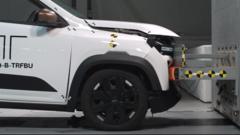
Electric vehicle insurance premiums run 25 to 40 percent higher than comparable gas-powered cars, a gap that undermines the total-cost-of-ownership advantage EVs promise. Repair expenses drive most of the premium. EV battery packs, touchscreen systems, and sensors cost significantly more to replace than traditional engine components. A single fender-bender on a Tesla Model 3 can trigger a $5,000 repair bill for the battery casing alone, while the same damage on a conventional sedan costs under $1,000.
Insurers lack sufficient claims data to accurately price EV risk. The market remains young relative to traditional vehicles, leaving actuaries with limited historical records to model claims patterns. This uncertainty pushes them toward conservative, higher premiums.
The shortage of trained technicians compounds the problem. Most repair shops lack EV-specific expertise, forcing insurers to direct claims toward expensive, manufacturer-authorized centers. As the technician workforce expands and independent repair networks grow, labor costs should decline.
Several solutions are emerging. Some insurers now offer EV-specific discounts, recognizing that electric vehicles generate fewer accidents due to superior safety tech and lower center-of-gravity designs. Tesla and other manufacturers are opening their repair networks to independent shops, potentially reducing labor premiums. Regulatory bodies in the UK and EU are pressuring insurers to review EV pricing, arguing current premiums lack actuarial justification.
Battery technology improvements also help. Newer EV batteries cost less to manufacture and prove more durable, translating to lower expected repair expenses over vehicle lifespans.
The insurance gap won't close overnight. But as repair networks mature, claims data accumulates, and battery costs drop, EV insurance premiums should converge with traditional vehicle rates within five to seven years.