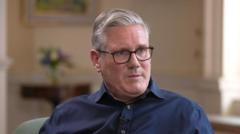
Keir Starmer broke his silence on his shock resignation as UK Prime Minister in a rare candid BBC interview, describing the decision to step down as "intensely personal" and admitting the moment felt "really tough."
The outgoing Labour leader offered his most unguarded public comments since announcing his departure, revealing the emotional weight of accepting that his political career had reached its end. Starmer's abrupt exit came after mounting pressure from within his own party, particularly over unpopular policy decisions that eroded support among Labour MPs and the broader membership.
The timing of Starmer's resignation caught many observers off guard, arriving just months into what Labour had promised would be a transformative government. His departure marks a dramatic reversal for a party that swept to power on pledges of stability and change after years of Conservative governance.
In the interview, Starmer also addressed his successor, with warnings directed at Andy Burnham, the Manchester mayor widely expected to enter the leadership race. The implicit caution signals factional tensions within Labour as the party prepares for its next leadership contest.
Starmer's decision to grant this interview represents a calculated move to control his own narrative as he exits office. By characterizing the resignation as a deeply personal choice rather than a forced removal, he attempts to preserve his political legacy during a vulnerable transition period. His candor stands in stark contrast to his typically buttoned-up public persona, suggesting the personal toll of the decision ran deep.
The Labour Party now faces an internal reckoning. A leadership vacuum at this juncture forces the party to quickly stabilize and present a unified direction to voters, particularly given the government's weakened standing. Burnham's potential candidacy will likely draw scrutiny based on Starmer's implicit warnings, setting the stage for a contentious party contest.