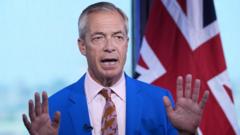
Nigel Farage triggered a by-election in Clacton from a position of political weakness, not strength. The Reform UK leader called the vote after winning the seat in July's general election with 71 percent of the vote, banking on an overwhelming mandate to consolidate his grip on Parliament. Instead, he faces a credible challenger in Count Binface, the satirical independent candidate who finished second in the 2019 and 2024 general elections.
The major parties have decided to sit out the contest. Labour, the Conservatives, and the Liberal Democrats all ruled out fielding candidates, a decision that appears to underestimate the threat posed by Binface's profile and anti-establishment appeal. This absence opens space for the comedian-activist to mount a serious challenge on a platform of protest and satire.
Farage's move exposes fissures in his political standing. While his July result looked commanding, calling a by-election signals confidence he may not possess. By-elections shift voter calculus. Turnout drops. Protest votes multiply. Binface's celebrity status and track record of mobilizing younger, disaffected voters pose genuine risk to Farage's narrative of unstoppable momentum.
The timing also creates problems for Farage beyond Clacton. A weakened result or a close contest would damage Reform's claim to be Britain's ascendant political force. The party's strategy of rapid parliamentary expansion depends on projecting inevitability. A by-election loss or narrow victory dismantles that perception instantly.
BBC Politics analyst Chris Mason notes the vulnerability in Farage's position. The Reform leader wagered that his electoral dominance in Clacton would translate seamlessly to a by-election victory. Instead, the absence of traditional opposition candidates and the emergence of a well-known independent challenger have turned Clacton into a test of Farage's actual political durability rather than a coronation.