Helium-3, a rare isotope of helium, has emerged as a valuable resource for medical imaging and scientific research. The isotope costs thousands of dollars per liter, making it one of the most expensive gases on Earth. Current global supplies come primarily from the decay of tritium in nuclear weapons stockpiles, a limited and unpredictable source that's drying up as nations reduce their arsenals.
Demand for helium-3 is accelerating. Medical facilities rely on it for MRI machines and other diagnostic equipment. Research institutions use it in particle detection and cryogenic applications. As supplies tighten, prices have climbed, and some experts forecast shortages within the next decade.
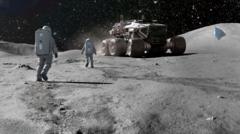
The moon offers a potential solution. Lunar soil contains helium-3 deposits built up over billions of years from solar wind bombardment. The isotope doesn't exist in significant quantities on Earth because our magnetic field shields us from solar particles. A single lunar mission could theoretically extract enough helium-3 to supply global demand for years.
Several space agencies and private companies have begun exploring lunar mining feasibility. China has discussed helium-3 extraction as part of its long-term lunar strategy. SpaceX and other commercial spaceflight operators are developing the transportation infrastructure that could make such missions economically viable.
The challenges remain substantial. Mining on the moon requires advanced robotics, extreme cold resistance, and secure transportation back to Earth. Initial costs would be enormous, though economies of scale could eventually make lunar helium-3 cheaper than Earth-based alternatives. Energy companies have also speculated about using helium-3 as fuel for future fusion reactors, though that technology remains largely theoretical.
For now, helium-3 remains a precious terrestrial commodity. As Earth supplies diminish and prices rise, the moon increasingly looks like a necessary frontier for this critical resource.