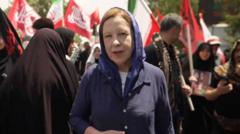
BBC correspondent Lyse Doucet reports from Tehran on the massive funeral procession for Iran's Supreme Leader Ayatollah Ali Khamenei, describing the event as carefully orchestrated state theater. Hundreds of thousands of Iranians filled the streets of the capital for the ceremonial display, which Iranian authorities framed as a demonstration of national unity and the regime's grip on power.
Doucet's presence in Tehran underscores the geopolitical weight of Khamenei's death and succession. The funeral serves dual purposes for Iran's leadership: a genuine moment of mourning for the cleric who led the nation since 1989, and a calculated performance of state control aimed at domestic and international audiences. The scale of the crowds reflects mandatory mobilization efforts by Iranian institutions alongside organic displays of reverence from Khamenei's supporters.
The event carries implications for Iran's regional influence and nuclear negotiations. Khamenei shaped Iran's foreign policy, proxy warfare networks, and resistance to Western pressure for decades. His death opens questions about continuity under new leadership and whether Iran's hardline posture persists unchanged.
Doucet's framing as "the spectacle Iran wants the world to see" highlights the tension between authentic mourning and state propaganda. Iranian state media broadcast images of the crowds globally, reinforcing messages about regime stability and popular support at a moment of institutional vulnerability. The funeral becomes a test of succession legitimacy and a reaffirmation of clerical authority over Iran's political system.
For Western observers and regional actors, the funeral procession signals whether Iran's power structure remains consolidated or faces fractures beneath the ceremonial surface.