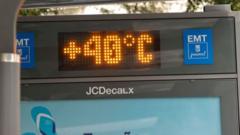
Heat waves expose a critical vulnerability in modern infrastructure. Energy grids, train services, and data centers all face operational breakdowns when temperatures spike, yet many systems remain dangerously under-equipped to handle sustained heat.
Power grids fail first. During extreme heat, electricity demand surges as air conditioning units max out, while simultaneously the infrastructure itself degrades. Transformers, cables, and cooling systems overheat and lose efficiency. Older grids, particularly in regions unaccustomed to extreme temperatures, lack redundancy. The 2021 Pacific Northwest heat dome knocked offline power plants across the region. Similar cascades hit Europe's grids in summer 2022.
Train networks prove equally fragile. Rail lines warp and buckle under intense heat, forcing service suspensions. The UK saw widespread rail disruptions during 2022's record temperatures. Overhead electrical lines sag. Braking systems fail. Thermal expansion wasn't engineered into infrastructure designed for cooler climates.
Data centers, the backbone of cloud computing and streaming services, demand massive cooling. When ambient temperatures climb, cooling becomes prohibitively expensive or impossible. Server performance degrades. Tech companies face shutdowns or forced maintenance windows.
The problem runs deeper than aging infrastructure. Climate models now predict more frequent, longer heat waves. Systems built for historical temperature ranges face obsolescence. Upgrading requires years of planning and billions in investment. Many utility companies lack budgets for comprehensive overhauls.
Adaptation exists but moves slowly. Some grids now use underground cables less vulnerable to heat. Train operators implement speed restrictions and more frequent inspections. Data centers invest in liquid cooling and geographic redundancy. Yet these fixes apply patchwork solutions to systemic problems.
As heat waves intensify globally, the gap between infrastructure design and climate reality widens. Without urgent upgrades, blackouts, service disruptions, and data losses will escalate.